
Clear Aligners for Kids & Tweens: What Parents Are Asking in 2026
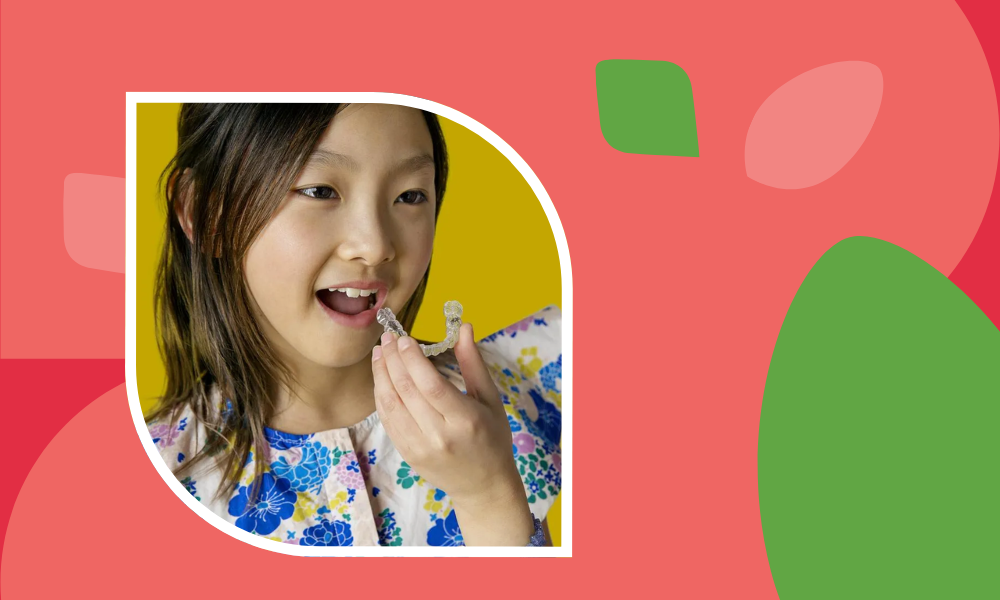
If you’re a parent today, orthodontics probably looks very different from how it did when you were growing up.
Metal braces, headgear, and extended treatment timelines were once the norm. Now, parents are hearing more and more about clear aligners for kids and wondering whether they’re truly safe, effective, and appropriate for younger patients.
In 2026, these questions are more common than ever.
Clear aligners are no longer just an adult or teen solution. With advances in technology, digital planning, and early orthodontic approaches, aligners are now being used thoughtfully for kids and tweens, when the timing and case are right.
At Sweetpea Smiles, we believe parents deserve clear,honest guidance, not trends without context.
Why Clear Aligners for Kids Are a Bigger Conversation in 2026
Clear aligners didn’t suddenly appear for children; they evolved.
Over the last decade, orthodontics has shifted toward:
- Earlier evaluations
- Digital scanning and treatment planning
- Gentler, phased approaches
- A focus on guiding growth rather than waiting for problems to worsen
As a result, pediatric orthodontics now includes options that didn’t exist when most parents were kids.
By 2023, more than 17 million people worldwide had been treated with a single major clear aligner system, including millions of teens. By 2025, industry estimates suggested roughly 1 million children worldwide had already started orthodontic treatment using clear aligners designed specifically for younger patients.
Parents are seeing these options everywhere and asking smart questions before committing.
What else does your pediatric dentist want you to know? 5 Things Your Pediatric Dentist Would Like For You To Know
One of the most common concerns parents have is safety.
Modern kids’ clear aligners are made from:
- Medical-grade, BPA-free plastics
- Materials designed for oral use and long-term wear
- Digitally planned systems overseen by licensed orthodontic providers
Clinical use and research show that, when prescribed and monitored appropriately, clear aligners have strong safety profiles for children and tweens. Many parents are relieved to learn that discomfort is often equal to or less than braces, and emergencies related to broken wires or brackets are far less common.
The key factor isn’t the aligner; it’s professional supervision and choosing the right case.
In 2026, aligners are used across a wider age range than ever, but not all aligners are the same.
Early Orthodontic Treatment (Ages ~6–10)
Many systems now offer Phase I or early orthodontic treatment aligners designed for children in mixed dentition (a combination of baby and adult teeth).
These early treatments focus on:
- Making space for incoming adult teeth
- Addressing early bite issues
- Guiding jaw and arch development
- Reducing the severity of future orthodontic needs
This phase is about guidance, not perfection.
Tweens and Teens (Ages ~11–14+)
Once most permanent teeth are in place and children can reliably follow instructions, standard aligner systems are often used for:
- Crowding or spacing
- Mild to moderate bite issues
- Alignment and rotations
At this stage, clear aligners for tweens can look very similar to teen or adult aligner treatment, provided the child is ready.
Clear aligners are powerful, but they’re not magic.
They are most predictable for:
- Mild to moderate crowding
- Mild spacing issues
- Some overbites and underbites
- Mild crossbites
- Small rotations and alignment concerns
Research and clinical reviews in children and adolescents report:
- Success rates around 90–95% for appropriate cases
- High satisfaction rates (85–92%) among parents and patients
- Effective transverse expansion of ~3.0–3.5 mm in early treatment cases
- Reliable correction of anterior crossbites
However, more complex concerns, such as significant jaw discrepancies, severely rotated teeth, impacted teeth, or major open bites, often still require braces or a hybrid approach.
One of the biggest questions in 2026 remains the comparison of clear aligners vs braces.
Clear Aligners
Best for:
- Appearance-sensitive kids and tweens
- Mild to moderate orthodontic needs
- Children who can follow wear instructions
Benefits parents like:
- Nearly invisible
- Removable for eating and cleaning
- Easier brushing and flossing
- Fewer mouth sores
- Fewer emergency visits
Main risk:
- Success depends heavily on wear time (20–22 hours per day)
Traditional Braces
Best for:
- Complex orthodontic movements
- Less responsible kids
- Cases needing significant bite correction
Benefits:
- Always working (no removal)
- Very powerful for complex movements
- Less risk of under-wear
Main drawbacks:
- More visible
- Food restrictions
- More challenging hygiene
- More emergency visits for broken brackets or wires
The right choice depends on the child, not the trend.
Read further: Braces vs. Clear Aligners – Which Is Right for Your Child?
This is one of the most important questions parents ask.
For clear aligners for kids to work as planned, children usually need to:
- Wear trays 20–22 hours per day
- Remove them only for eating and drinking (except water)
- Brush before reinserting trays
- Keep track of trays and cases
- Tolerate mild pressure when switching aligners
Kids who struggle with consistency may see:
- Slower progress
- Teeth not tracking the plan
- Longer treatment times
- Added cost from replacement trays
That’s why provider guidance and parental involvement are critical, especially for younger kids.
One reason clear aligners for kids have become such a big topic in 2026 is their role in early orthodontic planning, not just straightening teeth.
In modern pediatric and orthodontic care, the goal isn’t always to create a “perfect smile” right away. Instead, it’s often about guided growth helping the mouth, jaws, and teeth develop in a healthier, more balanced way over time.
For some children, early clear aligners can be used to:
- Create space for incoming permanent teeth
- Improve mild bite relationships during growth
- Reduce crowding that could worsen with time
- Support more stable long-term outcomes
This is why aligners are sometimes used as early orthodontic treatment, even when full braces may still be needed later. Addressing certain issues earlier can make future treatment shorter, simpler, or less invasive.
However, this approach is highly individualized. Not every child benefits from early aligner treatment, and starting too soon or choosing the wrong method can lead to unnecessary cost or frustration.
That’s why professional evaluation matters so much.
A thoughtful orthodontic plan looks at:
- Your child’s growth pattern, not just their teeth today
- Whether changes are developmental or structural
- Timing what should be treated now versus monitored
- Your child’s ability to cooperate with removable appliances
In 2026, the most trusted providers are not those who push aligners for every child, but those who explain why aligners may help or why waiting may be the better option.
For parents, this can be reassuring. Clear aligners are not about rushing treatment or following trends they’re simply one tool among many. When used at the right time, for the right child, and with the right supervision, they can play a meaningful role in supporting healthy development and confident smiles.
What the Stats for Clear Aligners Say in 2026
Parents often want reassurance backed by numbers.
Here’s what current data supports:
- Clear aligners now treat millions of younger patients worldwide
- Teens are the fastest-growing segment of the aligner market
- The global clear-aligner market is projected to exceed $10 billion in 2026
- North America accounts for over half of global aligner revenue
- Malocclusion affects ~54% of children globally, with even higher rates in school-age kids
These numbers reflect why aligners are becoming a standard part of early orthodontic treatment conversations, not a niche option.
Questions Parents Should Ask Before Choosing Clear Aligners
In 2026, informed parents are asking better questions, and they should.
Helpful questions include:
- “Is my child’s case mild, moderate, or complex, and why?”
- “Would you treat your own child with aligners or braces in this situation?”
- “How will progress be monitored?”
- “What happens if trays are lost or not worn enough?”
- “Will attachments or elastics be needed, and how visible are they?”
The goal isn’t to choose aligners, it’s to choose the right treatment.
At Sweetpea Smiles, clear aligners are never a one-size-fits-all solution.
Our approach to pediatric orthodontics is built around:
- Early evaluation
- Guided growth
- Honest recommendations
- Long-term planning
Cradle to College Care
We support children from their earliest dental visits through the teen years, monitoring growth and adjusting care as needed, rather than waiting until problems become more complex.
Guided Growth Philosophy
We focus on:
- Jaw and facial development
- Tooth eruption patterns
- Space management
- Bite relationships
Sometimes that means clear aligners. Sometimes it means braces. Sometimes it means waiting.
What matters is choosing the right path at the right time.
Final Thoughts: Clear Aligners Are a Tool, Not a Shortcut
In 2026, clear aligners for kids are a proven, mainstream option, but only when used thoughtfully.
They offer excellent results for the right cases, especially when children are ready, supported, and closely monitored. Understanding how they compare to braces and how early orthodontic treatment fits into your child’s development helps parents make confident decisions.
At Sweetpea Smiles, we’re here to guide, not rush, your child’s orthodontic journey.
Ready to Talk About Clear Aligners for Your Child?
If you’re wondering whether clear aligners are right for your child or tween, we’re happy to help.
👉 Book an appointment with Sweetpea Smiles
👉 Or contact our office to speak with our friendly team (281)566-6100
Resources
- Clear Aligners for Kids & Tweens: Parent Questions & Clinical Use
- Clear Aligner Safety, Effectiveness, and Market Data
- Pediatric Orthodontics & Early Treatment Trends