
Is February the Best Time to Schedule Your Child’s Pediatric Dental Checkup?
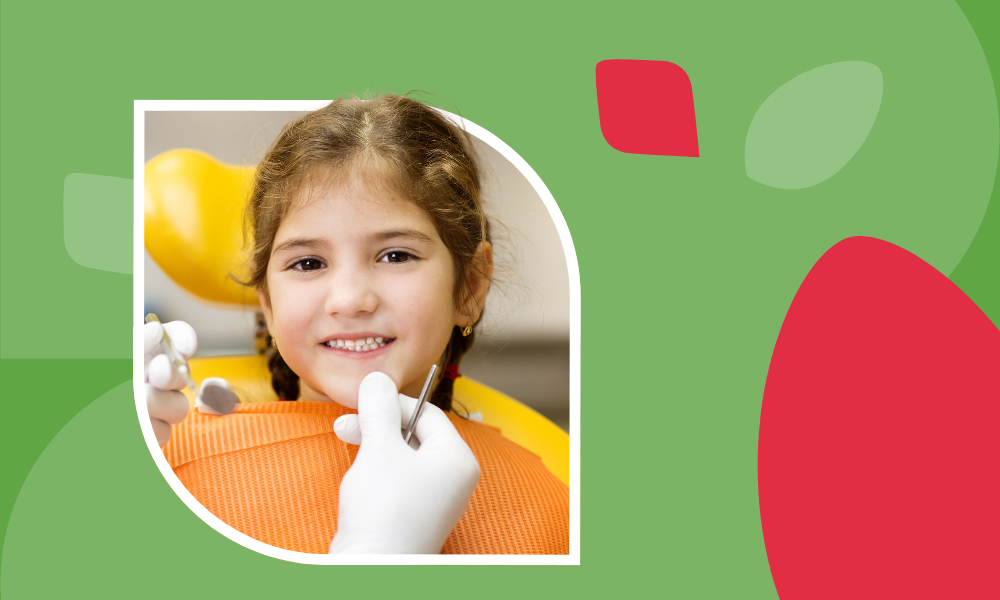
For many families, February feels like a natural pause. The holiday rush has passed, school routines are back in place, and parents finally have breathing room to focus on their child’s health and development.
That’s why one common question comes up this time of year:
For many families, the answer is yes.
February is often an ideal time for a pediatric dental checkup, whether your child is coming in for their very first visit, staying on track with routine care, or being evaluated for developmental concerns like a tongue tie or lip tie.
In this guide, we’ll cover:
- Why February is a smart time for a children’s dental checkup
- How to tell if your baby may have a tongue tie or lip tie
- What to do if you suspect a tie
- The difference between a pediatric dentist and a family dentist
- How early dental care supports your child’s long-term health
At Sweetpea Smiles, we believe dental visits should feel supportive, informative, and empowering for parents, never overwhelming.
While dental care is important all year long, February offers several unique benefits for families.
Dental Insurance Benefits Are Fresh for the Year
Many dental insurance plans reset at the beginning of the year. Scheduling a pediatric dental checkup in February allows families to:
- Use benefits early before appointments fill up later
- Plan preventive care with fewer scheduling pressures
- Address concerns before they become more complex
Starting early in the year helps parents feel organized and proactive rather than rushed.
Family Schedules Are More Predictable
Compared to fall sports, holidays, and end-of-year chaos, February tends to be calmer. This makes it easier to:
- Schedule appointments without missing major school events
- Prepare children emotionally for their visit
- Create positive dental experiences without time pressure
A relaxed visit can make all the difference, especially for young children or those who feel nervous about dental care.
Early Checkups Support Early Intervention
A children’s dental checkup isn’t just about clean teeth. It’s an opportunity to monitor your child’s growth and development.
During a February visit, a pediatric dentistry team can:
- Track jaw and tooth development
- Screen for oral habits like mouth breathing or thumb-sucking
- Identify early orthodontic or growth concerns
- Discuss nutrition and home care in age-appropriate ways
Catching things early often means gentler, simpler solutions down the road.
Many parents first hear about tongue tie in babies or lip tie in babies during infancy, especially when feeding feels challenging. Other times, ties aren’t noticed until later childhood.
What Is a Tongue Tie?
A tongue tie occurs when the tissue under the tongue restricts normal movement. This can affect how the tongue moves, rests, and functions.
In babies and young children, a tongue tie may impact:
- Feeding efficiency
- Oral muscle development
- Speech patterns later on
- Breathing and oral posture
What Is a Lip Tie?
A lip tie occurs when the tissue connecting the upper lip to the gums limits movement.
A lip tie may contribute to:
- Difficulty latching during feeding
- Clicking or air intake while nursing or bottle-feeding
- Gum irritation
- Spacing or tension issues as teeth erupt
Common Signs Parents May Notice
Every child is different, but parents sometimes notice:
- Trouble breastfeeding or bottle-feeding
- Longer or tiring feedings
- Gassiness or discomfort during feeds
- Clicking sounds while feeding
- Mouth breathing
- Difficulty lifting or extending the tongue
- Tension in the upper lip or gum area
Seeing one or more of these signs doesn’t mean something is “wrong.” It simply means an evaluation could be helpful.
If you suspect a tongue tie or lip tie, the next step is a thoughtful evaluation, not a rushed decision.
Why a Pediatric Dentist Evaluation Is Important
A pediatric dentist looks beyond the tie itself. They evaluate:
- Overall oral function
- Feeding and oral habits
- Jaw and facial growth
- Airway and breathing patterns
- Long-term development
Not every tie requires treatment. Some benefit from monitoring, others from supportive therapies, and some from intervention. The goal is always to support your child’s comfort and development.
At Sweetpea Smiles, our guided growth approach focuses on understanding the whole child, not just one finding.
Parents often wonder whether their child should see a pediatric dentist or a family dentist. While both provide dental care, their training and focus differ in important ways.
What Is a Pediatric Dentist?
A pediatric dentist completes additional years of specialized training focused exclusively on infants, children, and teens.
Pediatric dentistry includes:
- Child-specific growth and development
- Infant oral health and feeding support
- Behavior guidance and anxiety-sensitive care
- Early orthodontic and airway screenings
- Experience with special needs and sensory sensitivities
The environment, communication style, and care approach are all designed with children in mind.
What Is a Family Dentist?
A family dentist treats patients of all ages. While many family dentists see children, their training is broader and not centered solely on pediatric development.
Family dentistry may not always include:
- Advanced pediatric behavior techniques
- Early growth and airway focus
- Infant feeding evaluations
- Sensory-friendly accommodations
Why This Difference Matters
Children grow rapidly, and their dental needs change quickly. A pediatric dentist is trained to anticipate those changes and guide families through each stage.
Choosing pediatric dentistry helps ensure your child receives care that supports:
- Healthy development
- Emotional comfort
- Long-term oral and overall health
A February pediatric dental checkup helps set the tone for the entire year.
During your visit, your child’s dental team may:
- Monitor tooth eruption and spacing
- Track jaw growth and bite development
- Identify habits that affect oral health
- Provide personalized home-care guidance
- Create a plan that grows with your child
This proactive approach supports not just healthy smiles, but healthy breathing, sleep, and confidence.
Choosing when to schedule a pediatric dental checkup is important, but choosing where your child receives care matters just as much.
At Sweetpea Smiles, we believe pediatric dentistry should feel like a partnership, not a transaction. Our goal is to be your child’s trusted dental home from the very beginning, supporting their health, confidence, and development at every stage.
A True “Cradle to College” Approach
Sweetpea Smiles was built on the idea that children deserve consistent, thoughtful care as they grow. From your baby’s first tooth to your teenager’s final orthodontic check, we walk alongside families through every phase of childhood.
This Cradle to College philosophy means:
- Your child isn’t starting over with a new provider every few years
- Their growth, habits, and development are tracked over time
- Care decisions are made with a long-term perspective, not just short-term fixes
When families come in for a children’s dental checkup, we’re not just looking at teeth, we’re looking at the whole picture.
Don’t miss our very own Dental Checklist.
A Warm, Inclusive Experience for Every Child
Every child is different, and we believe dental care should reflect that.
Sweetpea Smiles is proud to provide compassionate, individualized care for:
- Infants and toddlers
- School-aged children and teens
- Children with anxiety or dental fears
- Children with sensory sensitivities or special needs
Our team is experienced in pediatric dentistry techniques that help children feel safe, understood, and supported. We take time to explain, move at your child’s pace, and create positive experiences that build trust, not fear.
How often should my child have a pediatric dental checkup?
Most children benefit from a children’s dental checkup every six months, though recommendations may vary based on individual needs.
Is February too early for a baby’s first dental visit?
No. Babies can visit once the first tooth appears or by their first birthday. Early visits help parents feel informed and confident.
Do tongue ties always need treatment?
No. Some tongue tie or lip tie cases only require monitoring. A pediatric dentist can help guide that decision.
Can a pediatric dentist help anxious or sensory-sensitive children?
Yes. Pediatric dentistry includes specialized training in behavior guidance and compassionate, child-centered care.
Read further on Your Anxious Child And Their Dental Health
What if my child hasn’t been to the dentist in a while?
It’s never too late to start. February is a great time to reset and move forward.
For many families, February truly is an ideal time to schedule a pediatric dental checkup. It offers a calm window to focus on prevention, development, and early support without the pressure of busier months.
Whether you’re planning your baby’s first visit or staying consistent with care, starting now helps build a strong foundation for the year ahead.
At Sweetpea Smiles, we’re honored to care for children from first tooth through the teen years, partnering with families every step of the way.
If you have questions about your child’s oral health, growth, or development, our team is here to help.
👉 Book an appointment with Sweetpea Smiles
👉 Or contact our office to speak with our friendly team (281)566-6100
A healthy year starts with a healthy smile, and we’d love to support your family 💛