
Top 10 Tips for Choosing the Best Kids Orthodontics in Richmond, TX
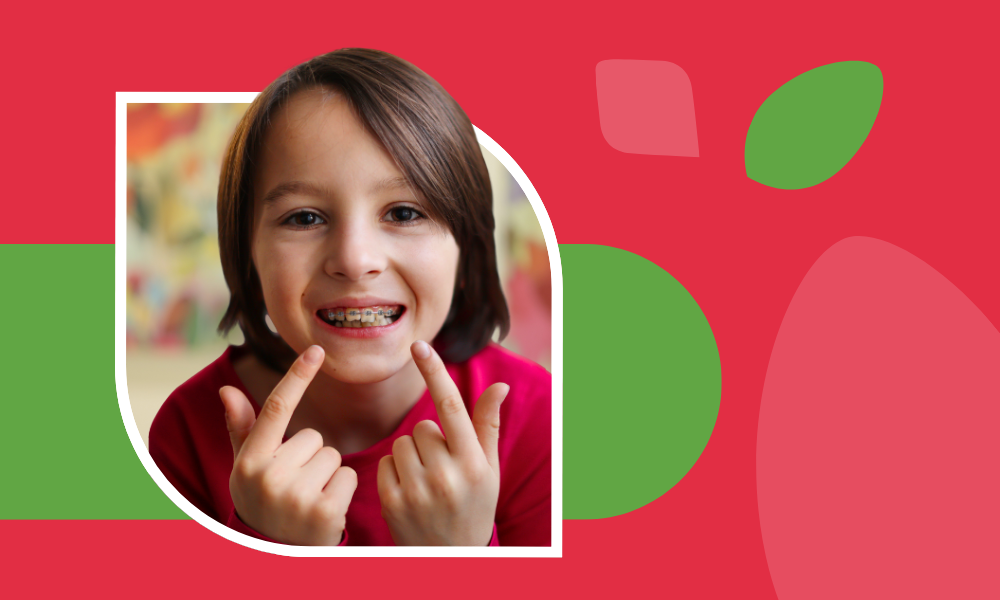
Choosing the right Kids Orthodontics in Richmond, TX is more than a dental decision, it’s a long-term investment inyour child’s health, happiness, and self-confidence. As a parent, you want a orthodontic expert who not only aligns teeth but also understands childhood development, emotional needs, and the latest in orthodontic innovation. But with so many options available, how do you choose the best one?
Whether you’re a first-time parent navigating children’s dental care or looking for orthodontic expert support for a growing teen, this guide offers the top 10 things to consider when choosing a Kids Orthodontics inRichmond, TX.
The American Association of Orthodontists recommends that children have their first orthodontic evaluation by age 7. Early Intervention help identify and treat problems like crossbites, crowding, or jaw growth issues before they become severe.
Why it matters:
- Early treatment can prevent extensive procedures later.
- It allows for proper jaw and airway development.
- It helps guide permanent teeth into optimal positions.
- Children adapt better to care when it starts early.
- Monitoring from a young age allows for customized treatment timing.
An effective pediatric dentistry understands that your child is more than just their teeth. Oral health affects sleep, posture, facial development, and confidence. That’s why the best pediatric dentists into account your child’s overall well-being.
What to look for:
- Breathing and sleep assessments
- Nutritional guidance
- Emotional support for anxious kids
- Collaboration with pediatricians or sleep specialists
Also called interceptive orthodontics, early treatment helps avoid severe misalignments later. It's especially beneficial in pediatric dentistry to help guide proper jaw development and tooth eruption patterns.
Benefits include:
- Prevents tooth crowding and bite issues
- Shortens or eliminates the need for braces later
- Reduces extractions and surgeries
- Supports better airway and sleep function
- Creates space for emerging adult teeth.
Why does it matter?
- The ADA (2017) recognizes that dentists play a key role in identifying signs of sleep-related breathing disorders, such as snoring, mouth breathing, or jaw under development, often before medical symptoms are noticed.
- Early detection allows us to guide facial and jaw growth to support healthy airways and prevent problems from worsening.
- Untreated airway issues can impact sleep quality, concentration, growth, and behavior in children.
- Guided growth and development can reduce the need for complex orthodontics or surgical interventions later.
- Coordinated care between dentists and medical professionals promotes whole-child health, addressing the root causes, not just the symptoms.
Choosing between clear alignersand traditional braces depends on your children’s dental care, personality, and lifestyle. Here is a breakdown:
Clear aligners have seen rapid adoption among adolescents, with over 4.5 million teens worldwide having used options like Invisalign Teen. As of 2025, clear aligner therapy accounts for approximately 30–45% of orthodontic cases in teens, a figure that continues to grow due to increasing demand for discreet, lifestyle-friendly treatments. While aligners are favored for their comfort and improved oral hygiene, they may not be suitable for very young children or for correcting severe bite issues, where traditional braces remain more effective.
Today's children’s orthodontic tools arefaster, safer, and more comfortable. Look for offices that offer:
- 3D digital scanning instead of old-fashioned molds
- Clear aligners designed specifically for children’s dental care
- Growth tracking software for facial development
- Remote monitoring apps for progress updates
Modern practices use cutting-edge tech toreduce treatment time and boost accuracy, because modern families deserve modern care.
A pediatric dentist in Richmond, TX should feel warm, fun , and inviting, not clinical or intimidating. Kids are more likely to enjoy visits when the environment is engaging and supportive.
Ideal features include:
- Friendly, trained staff who connect with children
- Colorful decor and child-sized furniture
- Calming spaces for neurodivergent kids
- Rewards and celebrations for milestones
- Comfortable spaces for parents
When your child feels safe and welcomed, their orthodontic treatment experience improves dramatically.
Pediatric orthodontic training requires more than technical skill, it demands a deep understanding of children’s dental care, development, behavioral management, and communication styles suited for younger patients.
Children and teens are not just "smaller adults." Their mouths are still developing, their personalities are forming, and their responses to treatment can vary widely based on age, emotional maturity, and even sensory sensitivities. A pediatric dentistis more likely to approach treatment with empathy, patience, and flexibility.
Consider these indicators of truepediatric expertise:
- Board certification in pediatric dentistry or orthodontics:
This signifies that the provider has undergone advanced, specialized training beyond general dental school, focusing specifically on children’s dental care, growth, and behavior. - Years of experience treating children and teens:
Experience matters, especially when it comes to anticipating the unique challenges of early intervention orthodontics, teen compliance, or dental anxiety. - Familiarity with early intervention orthodontics:
A pediatric expert will know when to recommend interceptive treatment and when to wait. - Positive feedback from other parents:
Look for reviews that mention comfort, patience, communication, and the child’s experience, not just clinical results. - Participation in continuing education and professional associations:
A commitment to staying updated on the latest research, technology, and best practices is essential.
Choosing a pediatric dentist withorthodontic credentials ensures your child receives care that’s developmentally appropriate, emotionally supportive, and designed for long-term success, notjust a quick fix.
Parents juggle school schedules, sports,and work. The best pediatric dentist in Richmond, TX for your child shouldrespect your time and make communication easy.
Key features to seek:
- Online appointment scheduling
- Text/email reminders and updates
- Same-day or family-block appointments
- Transparent reports on treatment progress
- Easy access for questions or emergencies
Smooth, open communication makes for happykids and stress-free parents.
Orthodontic care is a commitment, and clear financial communicationis essential. The best providers offer flexible plans to fit every budget.
Check for:
- Transparent orthodontic costs and estimates before treatment begins
- Monthly payment plans
- Insurance processing and claims support
- No hidden fees or surprise charges
Pediatric orthodontic treatmentisn’t a single moment, it’s a journey that can span several formative years of your child’s development. From monitoring baby teeth and jaw growth to managing clear aligners or braces in adole scence, it pays to have a pediatric dentist in Richmond, TX who sees the big picture and is ready to walk that road with your family.
A long-term orthodontic provider becomes more than just a health care professional, they become a partner in your child’s development. This kind of continuity is especially important when pediatric orthodontics begins early.
Why it matters:
· Better tracking of growthand changes:
Children’s jaws and facial structure sevolve rapidly. A consistent pediatric dentistry can compare past and currentscans, x-rays, and observations to detect subtle changes early.
· Trust builds between your child and the team:
Seeing the same children’s dentist and support staff over time helps children feel more comfortable and secure. This emotional comfort can lead to better cooperation during appointments, more consistent appliance use, and reduced anxiety, especially for kids who are nervous or have sensory sensitivities.
· Simplifies transitions asneeds evolve:
As kids grow from early intervention orthodontics to full orthodontic treatment, and eventually to retainer management in their teens, a long-term provider can smoothly adjust the plan without starting from scratch.
· Consistency in records and treatment philosophy:
Jumping between providers can lead to gapsin communication, repeated imaging, or misaligned strategies. A long-term provider ensures that treatment is built on a single cohesive plan, frominitial screening to the final retainer check.
· Encourages long-term dentalhabits and accountability:
Ongoing relationships reinforce good oralhygiene and responsibility.
· Supports whole-family dentalplanning:
Siblings often follow similar timelines. Along-term provider familiar with your family’s needs can coordinate care formultiple children more efficiently, sometimes even offering family appointmentsor bundled plans.
In short, choosing Kids Orthodontics in Richmond, Tx isn’t just about today, it’s about investing in a relationship that supports your child’s growth from elementary school to high school graduation and beyond.
FAQ: Children’s Orthodontics – What Parents Need to Know
What is the best age to take my child foran orthodontic screening?
Children should have their first orthodontic screening by age 7, even if there are no visible dental issues. Early evaluations can help detect jaw development problems, bite misalignments,or crowding before they become severe.
Are clear aligners safe and effectivefor kids?
Yes, clear aligners are safe and effective for many children and teens. Options like Invisalign Teen and other pediatric aligners are designed for growing mouths, offering are movable, comfortable, and discreet treatment method for mild to moderate orthodontic cases.
Which is more affordable: braces orclear aligners for kids?
Both treatments are often similarly priced, depending on the case. Braces maybe more cost-effective for simple treatments, while clear aligners can sometimes carry a premium. Most providers offer flexible payment plans and accept dental insurance to help manage orthodontic costs.
How do dentists help kids who are afraidof dental visits?
Pediatric dentists are trained in child-friendly care. They create a calming environment using gentle language, fun rewards, and behavioral techniques that reduce dental anxiety, even for nervous or sensory-sensitivechildren.
What are common signs my child may needearly orthodontic treatment?
Look for early signs such as mouth breathing, snoring, thumb sucking, crowded teeth, jaw popping, or visible bite issues. These symptoms may indicate developing problems that benefit from early intervention orthodontics.
When should early intervention forairway and growth screenings start?
As early as age 2–3, once baby teeth have erupted and jaw growth patterns can be evaluated. In alignment with the ADA(2017), dentists are encouraged to screen patients of all ages forsleep-related breathing disorders as part of comprehensive care. Continuously throughout childhood, since airway and facial structures change as a childgrows.
A Smile That Grows With Your Child
Your child’s smile is more than just straight teeth, it’s a reflection of their health, confidence, and growth.Choosing the right Pediatric dentist in Richmond, TX means finding someone who listens, plans carefully, and supports your family every step of the way.
From cutting-edge technology tochild-centered care, Sweetpea Smiles is more than a dental provider, we're your partner in growing healthy, happy smiles for life.
Ready to Take the Next Step?
✨ Book an Appointment at Sweetpea Smiles
💬 Have questions? Our friendly team is here to help.
Resources
For further reading and reliable statistics, check out the following sources:
- Consumer Affairs: Clear Aligners Statistics 2025
- 32 Pearls: Invisalign in 2025
- Fortune Business Insights – Clear Aligners Market
- Grand View Research – Clear Aligners
- AAO: Early Orthodontic Care Trends
- Orthodontic Products Online – 2025 Trends